The price hasn't caught up to the plan
Most of a growing city's edge is still priced like it's staying rural. The infrastructure that will turn it urban (a port, a rail line, a highway, a masterplan) is often already funded, sometimes already built. The price simply hasn't caught up. That gap, between what a place will become and what it costs today, is the entire opportunity.
And when it closes, it doesn't close gently. A handful of parcels in the right corridor return twenty, fifty, a hundred times their entry price. Most of the rest go nowhere, or worse. It's a familiar shape, the same one that governs venture returns, just applied to physical ground instead of a cap table.
Not the return profile. The pattern underneath it.
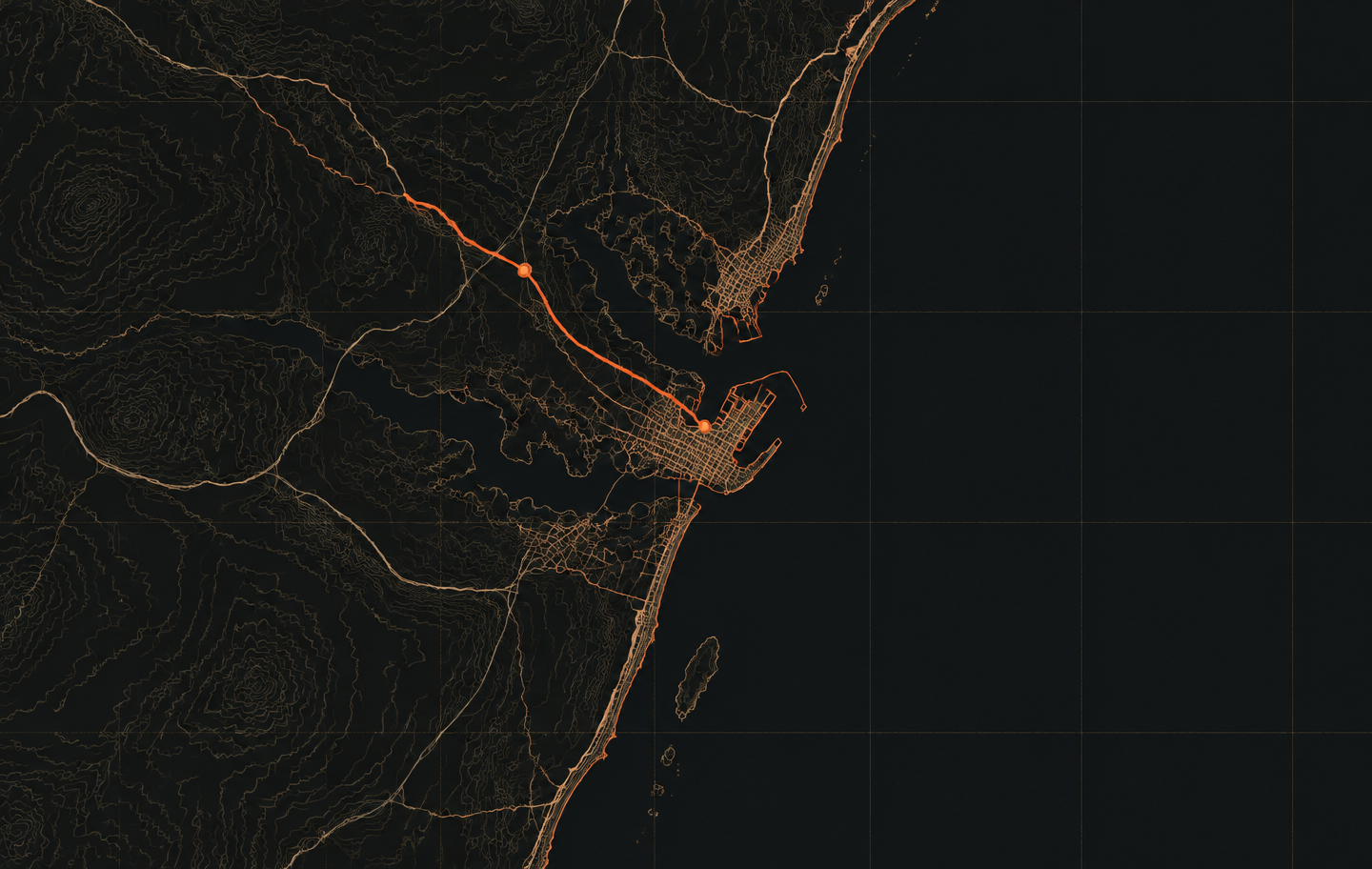
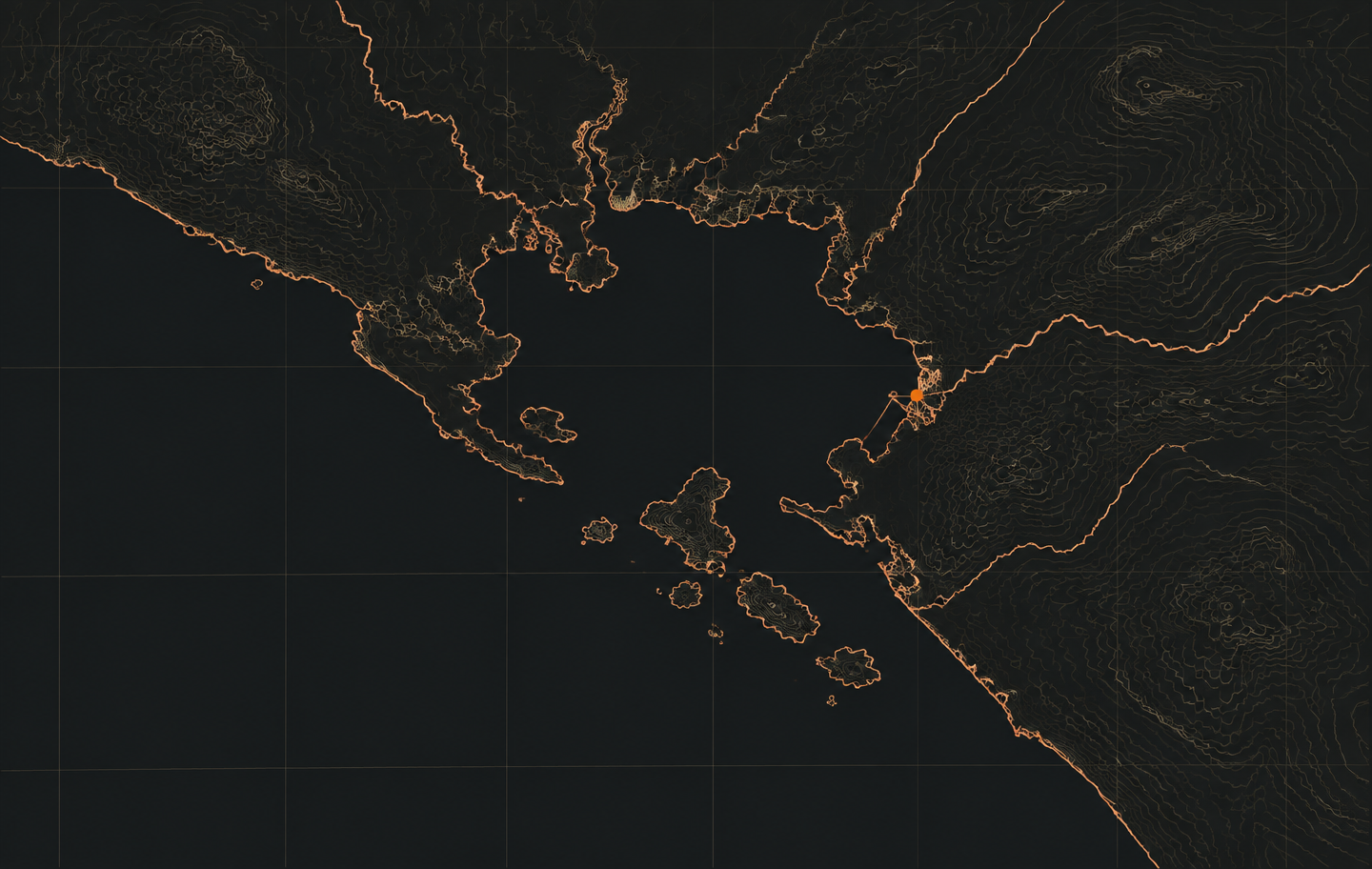
What keeps me reading isn't the return profile. It's the pattern underneath it. A road-dualling contract outside Mombasa. A new port contract signed on the Gulf of Fonseca. A demographic report on the Sahel that almost nobody outside a few UN offices has opened. Where people are actually moving, why, and what that does to a specific, physical piece of land that no one is pricing correctly yet.
That's the part of this I find genuinely fascinating: geopolitics, urbanisation, demographics, migration, and the countries that happen to sit on the next fifty years' worth of raw materials and trade routes. Land is simply where all of that becomes something you can actually stand on.
None of this is desk research I trust blindly. A lot of it comes from people: economists and geographers I first crossed paths with at Oxford who are now sitting inside the ministries, port authorities and land registries of the places I write about, plus the time I spend physically walking the ground myself. In a market with thin or unreliable public data, that network and that legwork are the actual hedge. AI can summarise what's already published; it can't tell you which local title register to trust, and it has no idea what a road looks like when you're standing on it. The most valuable information about these places is the kind no data exists about. You have to be standing on it.
Colliding hardest where capital isn't looking
Three forces are colliding, and they're colliding hardest in the places most capital still isn't looking.
The first is demographic. Sub-Saharan Africa and South and Southeast Asia hold the youngest, fastest-growing populations on the planet, and unlike almost anywhere in the OECD, their cities are still in the steep part of the urbanization curve, not the flat part.
The second is infrastructure. Ports, rail corridors, highways and satellite-city masterplans that were purely aspirational a decade ago are now funded, under construction, or, in places I've been tracking closely this year, actually finished and operating. Funded is a different category from announced. Most capital still can't tell the difference; the mispricing lives in that gap.
The third is the one people underrate because it's less comfortable to talk about cleanly: migration and resource geopolitics. Climate pressure, conflict, and the search for opportunity are moving millions of people toward specific corridors and cities, not randomly across a map. Add the countries sitting on the raw materials and trade routes the next fifty years will actually run on, and you get a short list of places where all three forces point at the same parcel of land, at the same time.
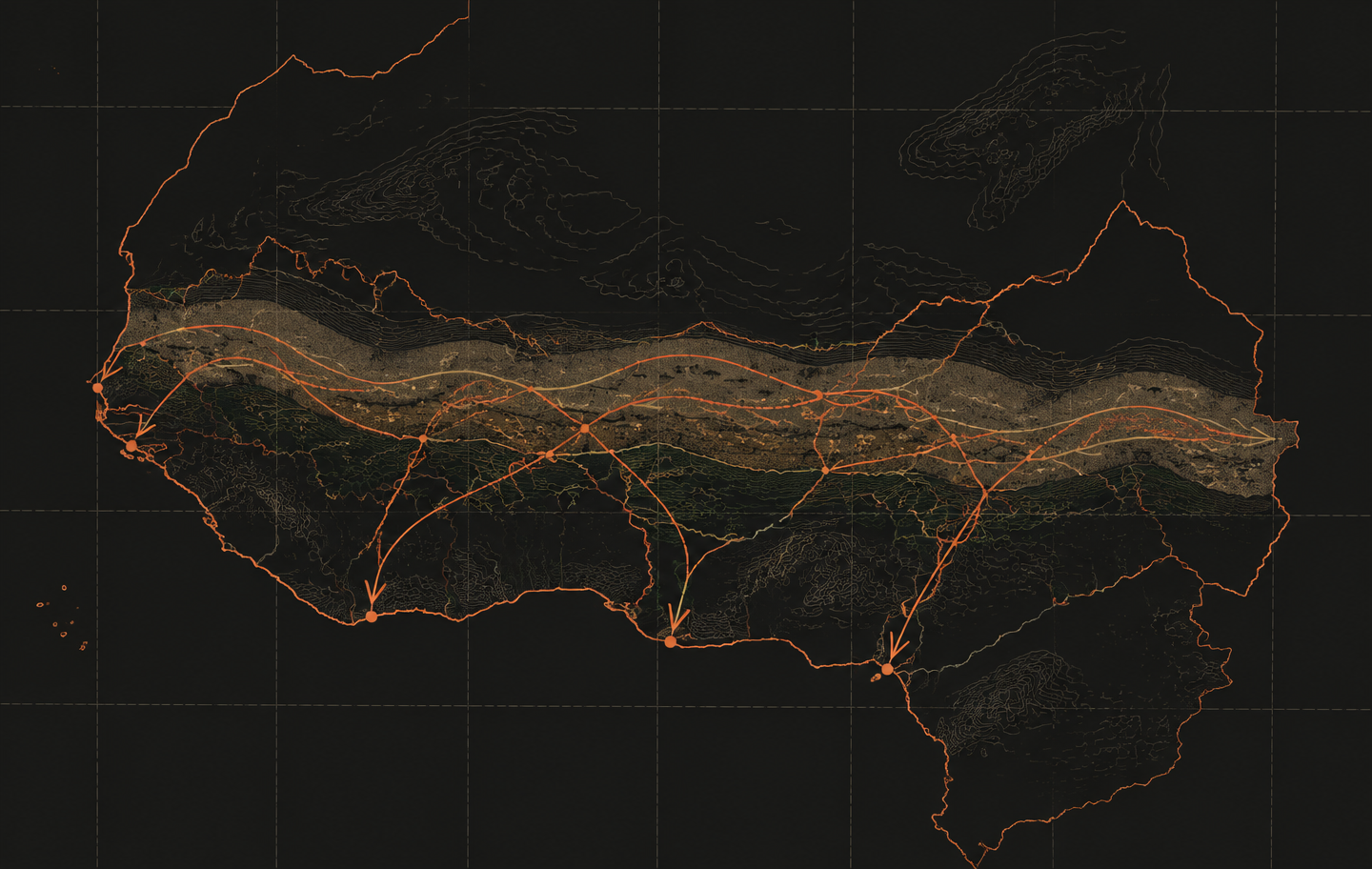
That collision, not any single force alone, is what produces a re-rating, not just a nice-looking growth chart.
A long option on a place's future
This isn't a bet on cash flow. A finished building already has a value someone can underwrite today: rent, occupancy, a cap rate. Raw land at the edge of a city that hasn't arrived yet has none of that. It's priced on a single question: will this cross from rural to urban within the next decade. No tenants, no yield, no income while you wait. Just a long option on a place's future, sold today as if that future weren't already funded.
Field notes, not desk research
I'm going to keep writing about this in public: the places, the people building them, and the long, humbling list of ways this exact trade has failed before, which I'd rather walk through honestly than pretend doesn't exist. I'll do it the only way I trust: showing up in person and talking to the people who actually live where this is happening, not just the data about them.
If you're building something in one of these corridors, study this world from the geopolitics or demographics side, or simply find it as fascinating as I do, I'd genuinely like to hear from you.